


Collection: Ceramics | German
German ceramics bring together distinct histories of porcelain manufacture, commercial pottery and studio practice. Delicate modelling, painted decoration, sculptural vessels and expressive glaze surfaces all belong within this broad field. They are not successive stages in a single style, and no one finish defines everything made in Germany.
Meissen’s foundation in 1710 is an important milestone in European porcelain manufacture. Its history helps explain why porcelain forms a substantial strand of German ceramic design, separate from the earthenware and stoneware made by other producers. A fine white appearance or a painted decorative scheme alone, however, does not establish a connection with a particular porcelain factory.
Twentieth-century ceramics added further approaches to form and surface. Post-war studio potters explored the vessel as both a useful object and a sculptural form, including experiments with distinctive glazes. Karl and Ursula Scheid’s work with crystalline-glazed porcelain is one documented example of how technical choices could shape an object’s visual character.
Commercial pottery and studio work need to be considered on their own terms. A moulded shape may be combined with a variable glaze, and a number on the base may record a form or size rather than identify its designer. Country wording, factory marks and documented ranges are useful pieces of evidence, but textured surfaces and strong colours should not be treated as proof of a particular maker or decade.

-
Scheurich (West Germany) 11" Pitcher Vase, in Cream/Brown/Red | Model #423-28


Scheurich (West Germany) 11" Pitcher Vase, in Cream/Brown/Red | Model #423-28
- Regular price
- $450.00 AUD
- Sale price
- $450.00 AUD
- Regular price
-
-
Scheurich (West Germany) 10.5" Vase, in Cream/Brown/Red | Model #290-27

Scheurich (West Germany) 10.5" Vase, in Cream/Brown/Red | Model #290-27
- Regular price
- $395.00 AUD
- Sale price
- $395.00 AUD
- Regular price
-
-
Carstens Tönnieshof (West Germany) Vase, in Tan/Orange | Model #7608-20


Carstens Tönnieshof (West Germany) Vase, in Tan/Orange | Model #7608-20
- Regular price
- $350.00 AUD
- Sale price
- $350.00 AUD
- Regular price
-
-
Scheurich (West Germany) 'Montignac' 7.5" Vase, in Brown/Cream | Model #281-19 *RARE FIND*


Scheurich (West Germany) 'Montignac' 7.5" Vase, in Brown/Cream | Model #281-19 *RARE FIND*
- Regular price
- $375.00 AUD
- Sale price
- $375.00 AUD
- Regular price
-
-
Johann Seltmann (West Germany) 9.5" Porcelain Vase


Johann Seltmann (West Germany) 9.5" Porcelain Vase
- Regular price
- $250.00 AUD
- Sale price
- $250.00 AUD
- Regular price
-
-
Kaiser Porzellan (West Germany) 7.5" Porcelain Vase
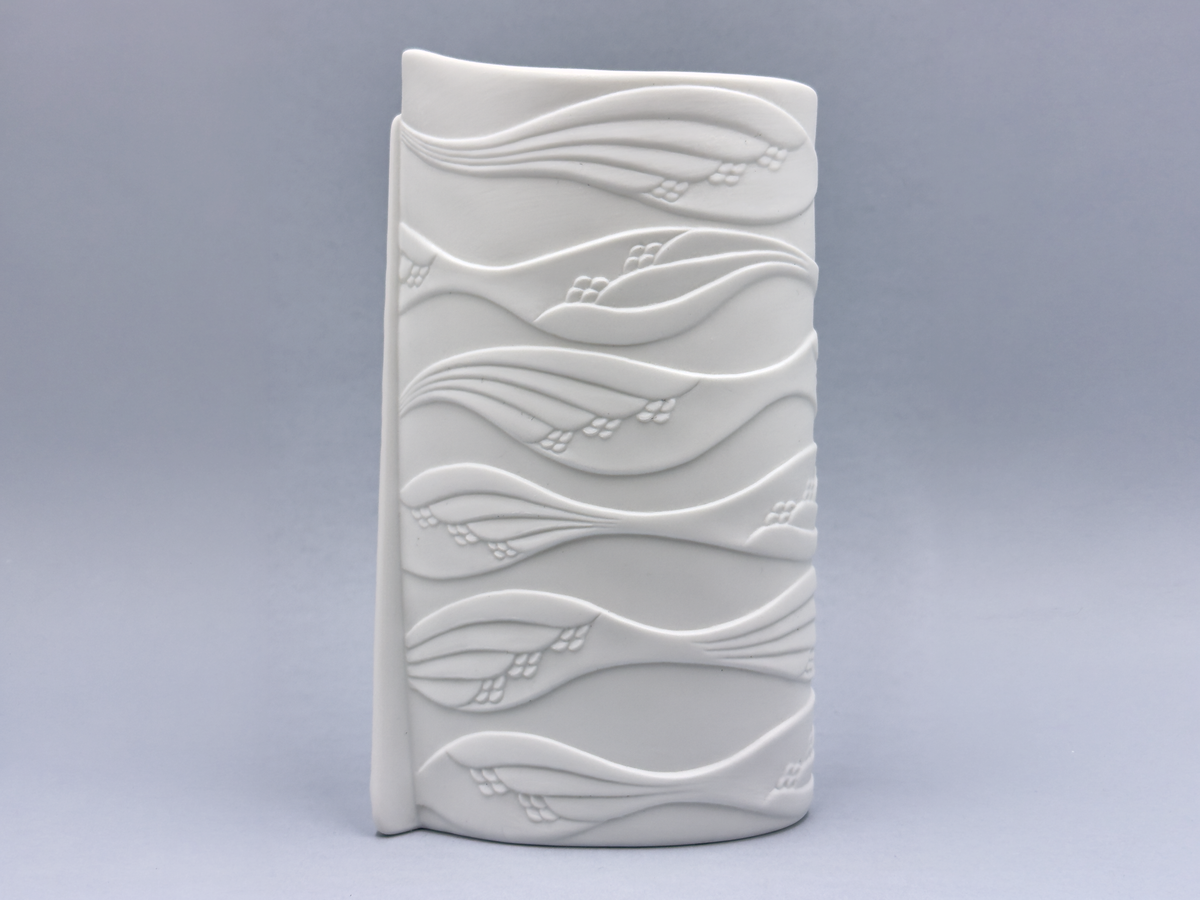

Kaiser Porzellan (West Germany) 7.5" Porcelain Vase
- Regular price
- $175.00 AUD
- Sale price
- $175.00 AUD
- Regular price
-
-
Kaiser Porzellan (West Germany) 6" Porcelain Vase


Kaiser Porzellan (West Germany) 6" Porcelain Vase
- Regular price
- $50.00 AUD
- Sale price
- $50.00 AUD
- Regular price
-
-
Rosenthal (West Germany) 6.5" Porcelain Vase

Rosenthal (West Germany) 6.5" Porcelain Vase
- Regular price
- $175.00 AUD
- Sale price
- $175.00 AUD
- Regular price
-
-
Kaiser Porzellan (West Germany) 6" Porcelain Vase
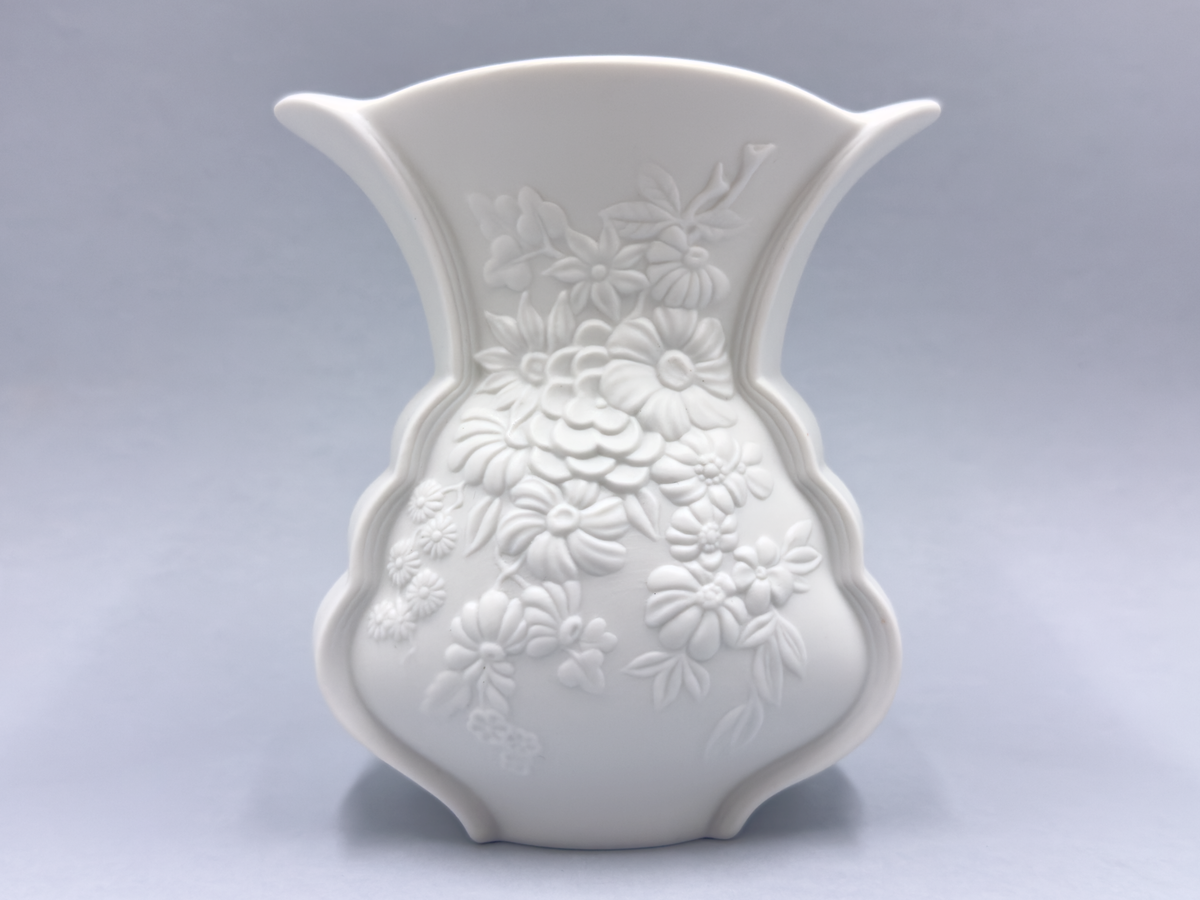
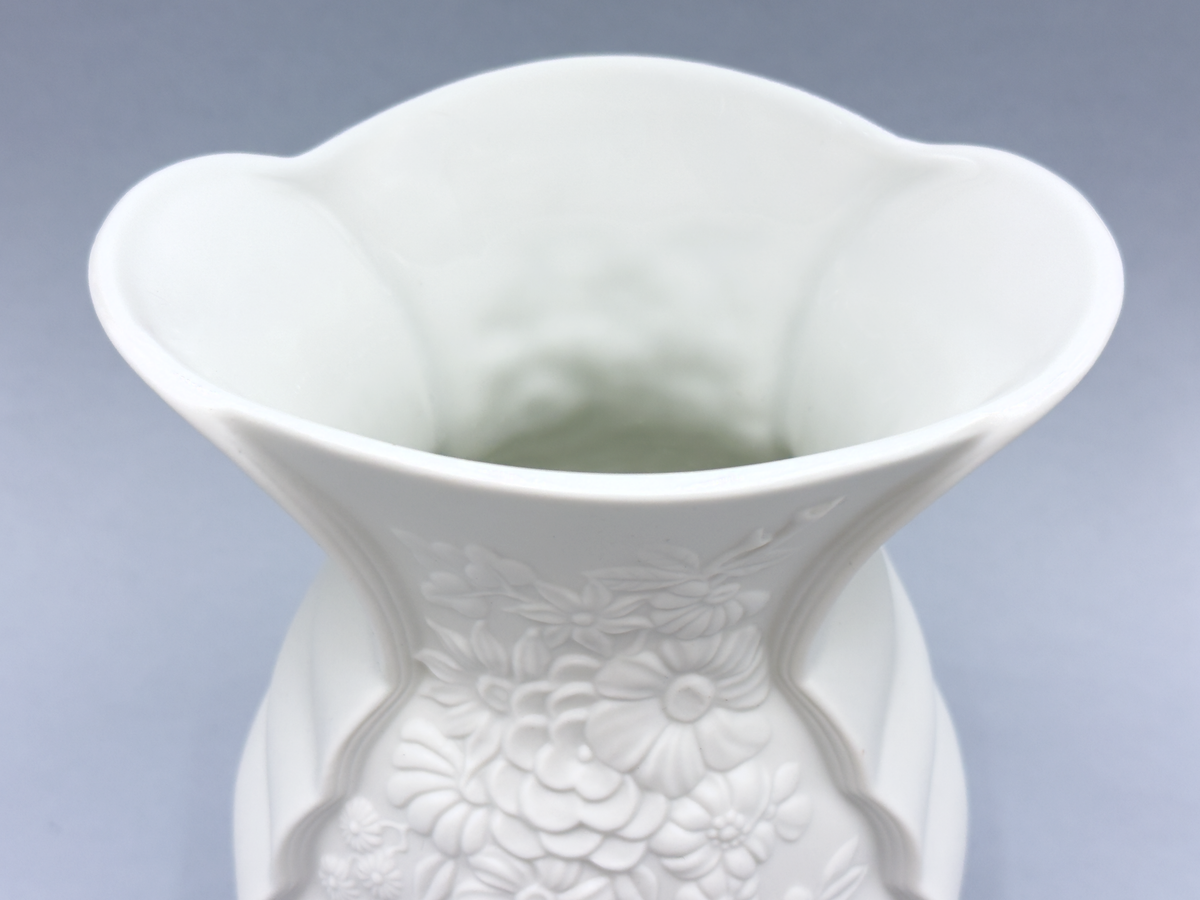
Kaiser Porzellan (West Germany) 6" Porcelain Vase
- Regular price
- $150.00 AUD
- Sale price
- $150.00 AUD
- Regular price
-
-
KPM Royal Porzellan (West Germany) 8.5" Porcelain Vase


KPM Royal Porzellan (West Germany) 8.5" Porcelain Vase
- Regular price
- $225.00 AUD
- Sale price
- $225.00 AUD
- Regular price
-
-
Marei Keramik (West Germany) Cream and Dark Brown, 10" Vase | Model #2004


Marei Keramik (West Germany) Cream and Dark Brown, 10" Vase | Model #2004
- Regular price
- $325.00 AUD
- Sale price
- $325.00 AUD
- Regular price
-
-
Scheurich (West Germany) 'Foligno' Vase, in Caramel/Olive | Model #289-27


Scheurich (West Germany) 'Foligno' Vase, in Caramel/Olive | Model #289-27
- Regular price
- $295.00 AUD
- Sale price
- $295.00 AUD
- Regular price
-
-
Steuler Keramik (West Germany) 'Zyklon' in Red, 10" Vase | Model #215-25 *RARE FIND*


Steuler Keramik (West Germany) 'Zyklon' in Red, 10" Vase | Model #215-25 *RARE FIND*
- Regular price
- $450.00 AUD
- Sale price
- $450.00 AUD
- Regular price
-
-
Steuler Keramik (West Germany) 'Zyklon' in White, 10" Vase | Model #215-25 *RARE FIND*

Steuler Keramik (West Germany) 'Zyklon' in White, 10" Vase | Model #215-25 *RARE FIND*
- Regular price
- $450.00 AUD
- Sale price
- $450.00 AUD
- Regular price
-
-
Steuler Keramik (West Germany) 'Zyklon' in Red, 8" Vase | Model #213-20 *RARE FIND*

Steuler Keramik (West Germany) 'Zyklon' in Red, 8" Vase | Model #213-20 *RARE FIND*
- Regular price
- $375.00 AUD
- Sale price
- $375.00 AUD
- Regular price
-
-
Ü Keramik (West Germany) Vase, in Blue/Green/Red | Model #1276-25


Ü Keramik (West Germany) Vase, in Blue/Green/Red | Model #1276-25
- Regular price
- $275.00 AUD
- Sale price
- $275.00 AUD
- Regular price
-
-
Bay Keramik (West Germany) Vase, in Red/Orange/Cobalt | Model #84-20


Bay Keramik (West Germany) Vase, in Red/Orange/Cobalt | Model #84-20
- Regular price
- $275.00 AUD
- Sale price
- $275.00 AUD
- Regular price
-
-
Carstens Tönnieshof (West Germany) 'Malmö' Vase, in Aubergine/Brown | Model #1252-23 *RARE FIND*


Carstens Tönnieshof (West Germany) 'Malmö' Vase, in Aubergine/Brown | Model #1252-23 *RARE FIND*
- Regular price
- $325.00 AUD
- Sale price
- $325.00 AUD
- Regular price
-
-
Scheurich (West Germany) Vase, in Orange/Black | Model #203-26 *RARE FIND*


Scheurich (West Germany) Vase, in Orange/Black | Model #203-26 *RARE FIND*
- Regular price
- $325.00 AUD
- Sale price
- $325.00 AUD
- Regular price
-
-
Marei Keramik (West Germany) 6" Planter, in Red/Charcoal


Marei Keramik (West Germany) 6" Planter, in Red/Charcoal
- Regular price
- $225.00 AUD
- Sale price
- $225.00 AUD
- Regular price
-
-
Scheurich (West Germany) 6.5" Planter, in Red/Charcoal/Blue


Scheurich (West Germany) 6.5" Planter, in Red/Charcoal/Blue
- Regular price
- $225.00 AUD
- Sale price
- $225.00 AUD
- Regular price
-
-
Steuler Keramik (West Germany) Fish 8" Wall Plaque *RARE FIND*


Steuler Keramik (West Germany) Fish 8" Wall Plaque *RARE FIND*
- Regular price
- $250.00 AUD
- Sale price
- $250.00 AUD
- Regular price
-
-
Steuler Keramik (West Germany) Hedgehog 8" Wall Plaque *RARE FIND*

Steuler Keramik (West Germany) Hedgehog 8" Wall Plaque *RARE FIND*
- Regular price
- $250.00 AUD
- Sale price
- $250.00 AUD
- Regular price
-
-
Steuler Keramik (West Germany) Squirrel 8" Wall Plaque *RARE FIND*

Steuler Keramik (West Germany) Squirrel 8" Wall Plaque *RARE FIND*
- Regular price
- $250.00 AUD
- Sale price
- $250.00 AUD
- Regular price
-
-
Roth Keramik (West Germany) 8.5" 'Banjo' Vase, in Red/Black | Model #313 *RARE FIND*


Roth Keramik (West Germany) 8.5" 'Banjo' Vase, in Red/Black | Model #313 *RARE FIND*
- Regular price
- $795.00 AUD
- Sale price
- $795.00 AUD
- Regular price
-
-
Scheurich (West Germany) 'Foligno' XL Floor Vase, in Red/Brown | Model #289-47


Scheurich (West Germany) 'Foligno' XL Floor Vase, in Red/Brown | Model #289-47
- Regular price
- $450.00 AUD
- Sale price
- $450.00 AUD
- Regular price
-
-
Marei Keramik (West Germany) Teal, Periwinkle, and Purple, 10" Vase | Model #2004 *RARE FIND*


Marei Keramik (West Germany) Teal, Periwinkle, and Purple, 10" Vase | Model #2004 *RARE FIND*
- Regular price
- $1.00 AUD
- Sale price
- $1.00 AUD
- Regular price
-
-
Scheurich (West Germany) 'Jura' in Green | Model #282-16


Scheurich (West Germany) 'Jura' in Green | Model #282-16
- Regular price
- $1.00 AUD
- Sale price
- $1.00 AUD
- Regular price
-
-
Scheurich (West Germany) Large Floor Vase | Model #553-38


Scheurich (West Germany) Large Floor Vase | Model #553-38
- Regular price
- $1.00 AUD
- Sale price
- $1.00 AUD
- Regular price
-


