Collection: Kaiser Porzellan (Germany)
Kaiser Porzellan traces its origins to the porcelain-finishing business established by August Alboth in Coburg, Germany, in 1872. The company began as a decorating enterprise rather than a fully integrated porcelain factory, an important distinction in understanding its development from Alboth to Alka and, eventually, Kaiser.
Ernst Alboth moved the business to Kronach in 1899. The next generation brought together the Alboth and Kaiser families, with Willy Alboth and Georg Kaiser establishing a factory there in 1928. The Alka name combined the two family names. Alongside giftware, the business became known for elaborate porcelain figurines, including figures with delicate lace decoration.
A significant step towards manufacturing its own porcelain came with the purchase of the Silbermann factory at Hausen am Main in 1938. This brought the production of undecorated porcelain into the business. Land for a new, consolidated factory at Staffelstein was purchased in 1953, but the move itself took place in 1956. The distinction between those dates is sometimes lost in shorter company histories.
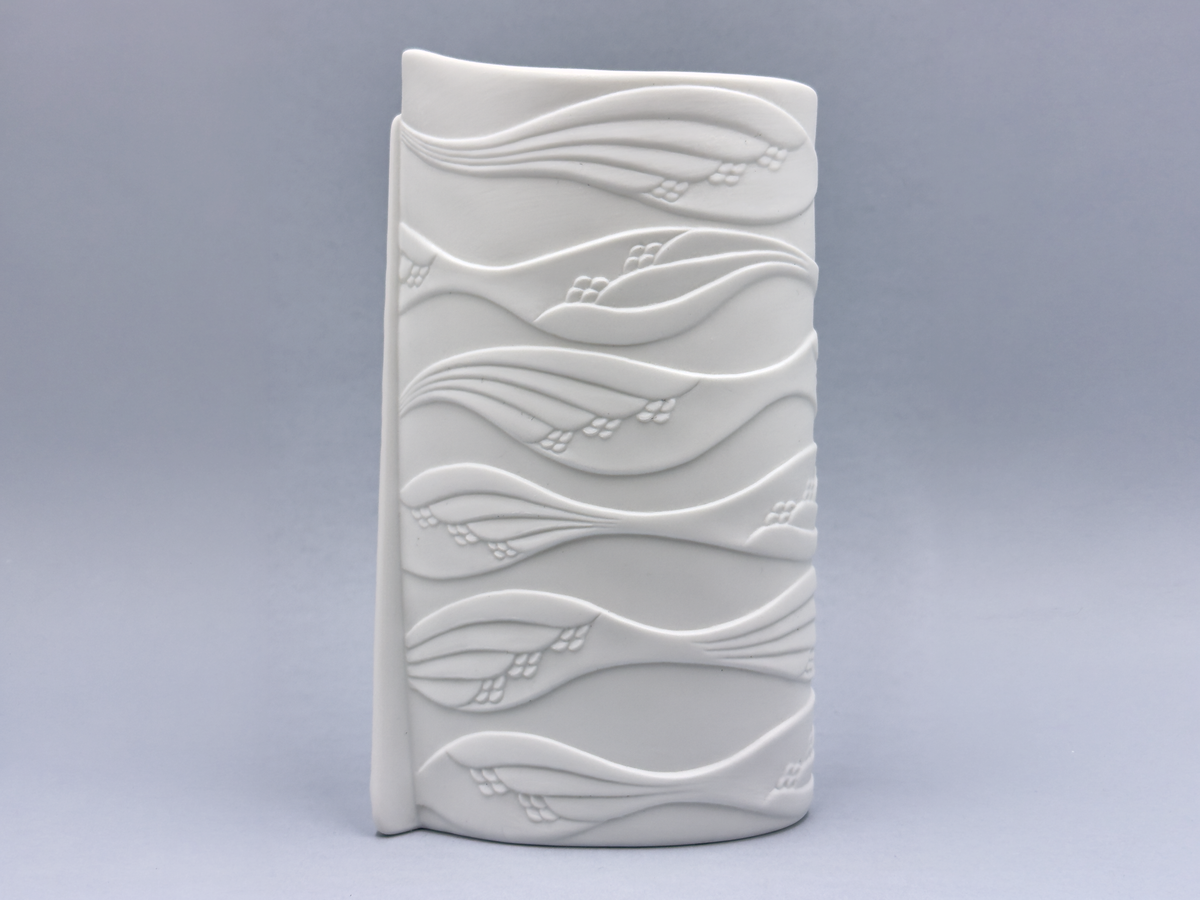
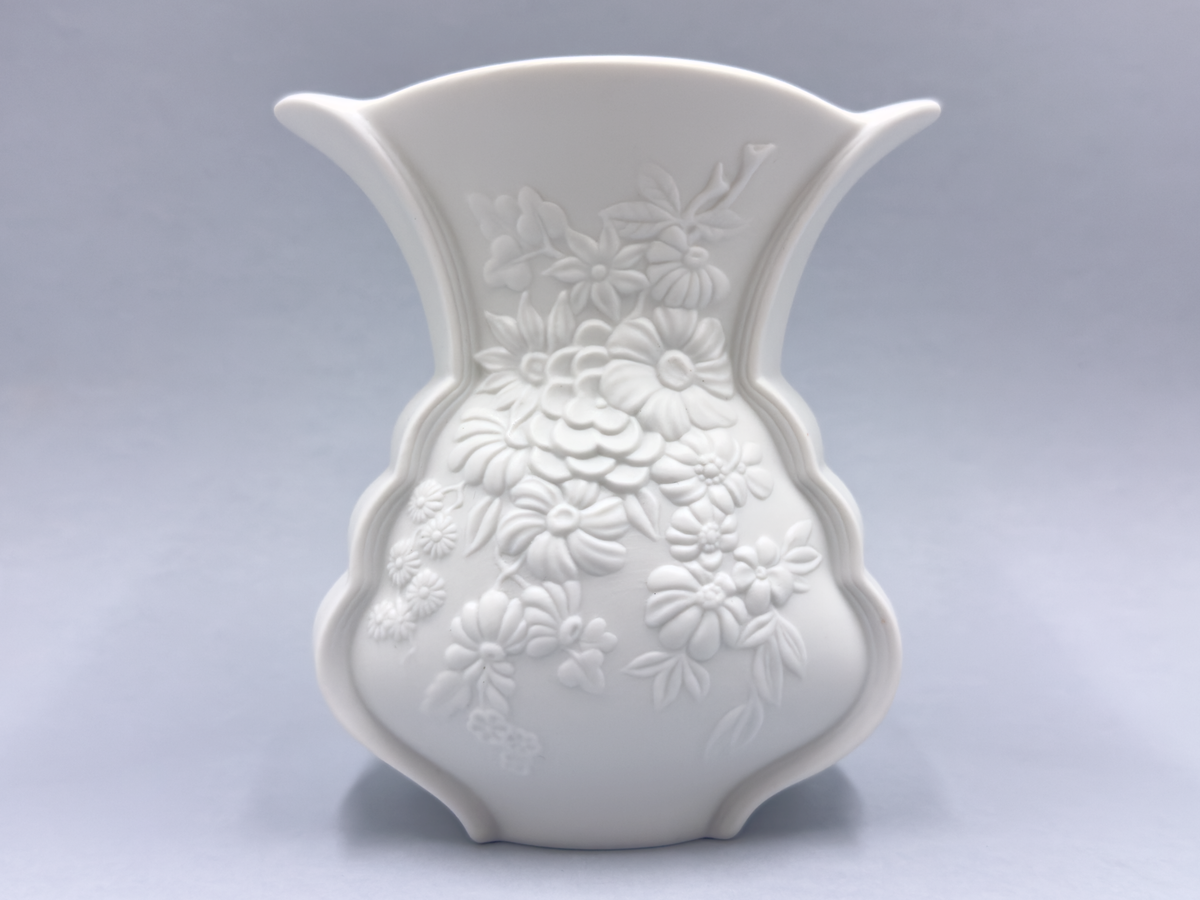
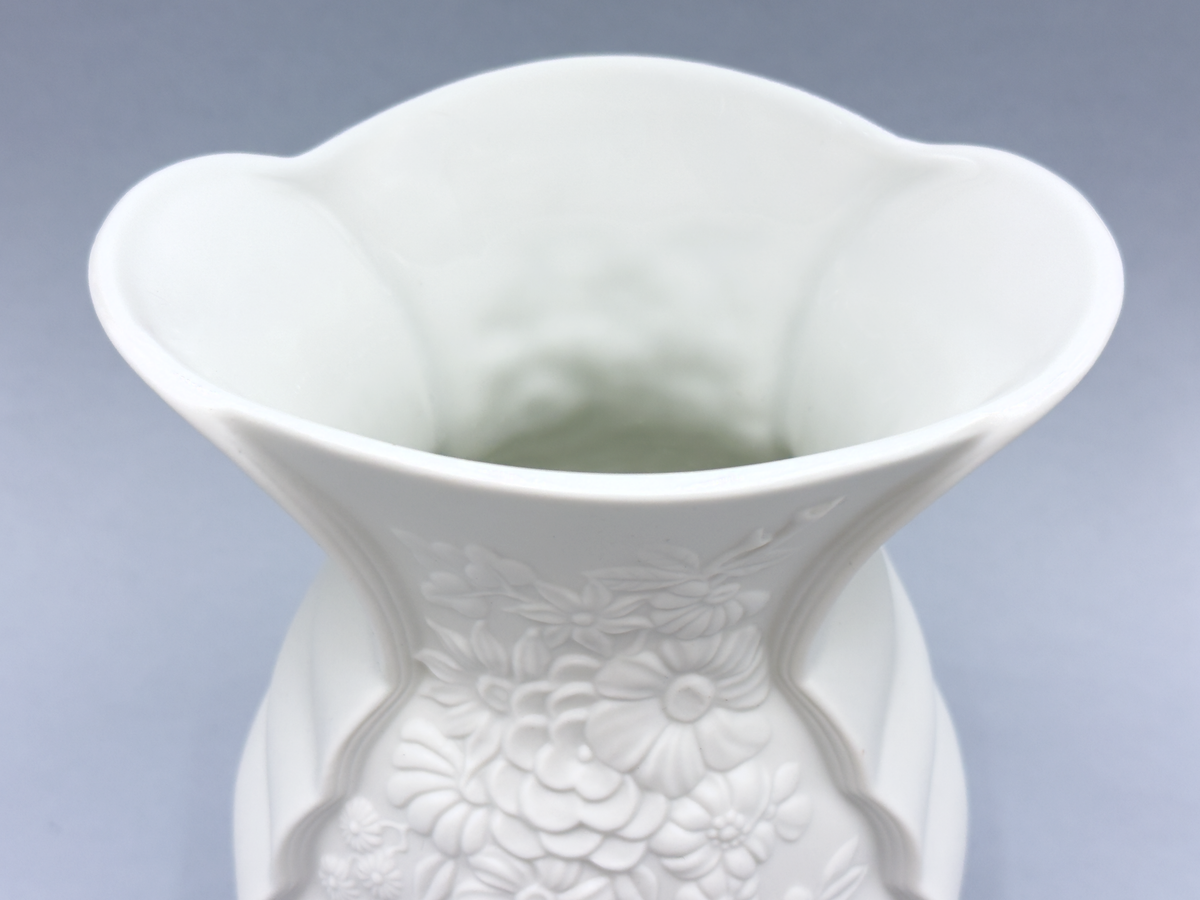
The trademark changed from Alka to Kaiser-Porzellan in 1970, reflecting the family name and its appeal in overseas markets. The company’s decorative output encompasses vases, figurines and tableware, including the unglazed bisque porcelain for which it is particularly recognised. With bisque pieces, the absence of glaze allows the modelling and surface relief to remain a central part of the design. Earlier Alka marks and later Kaiser marks therefore belong to different chapters of the same company history, rather than to unrelated manufacturers.
Read more in Kaiser’s company history and the museum reference record.