


Colección: Villeroy & Boch (Luxemburgo) 'Acapulco'
Collector’s notes

-
Villeroy & Boch (Luxemburgo) Modelo 'Acapulco' n.º 238/1, plato llano de 10,5" [se vende por separado]


Villeroy & Boch (Luxemburgo) Modelo 'Acapulco' n.º 238/1, plato llano de 10,5" [se vende por separado]
- Precio habitual
- $60.00 AUD - $95.00 AUD
- Precio de venta
- $60.00 AUD - $95.00 AUD
- Precio habitual
-
-
Villeroy & Boch (Luxemburgo) Modelo 'Acapulco' n.º 240/1, plato de entrada/almuerzo de 9,5" [se vende por separado]


Villeroy & Boch (Luxemburgo) Modelo 'Acapulco' n.º 240/1, plato de entrada/almuerzo de 9,5" [se vende por separado]
- Precio habitual
- $75.00 AUD - $85.00 AUD
- Precio de venta
- $75.00 AUD - $85.00 AUD
- Precio habitual
-
-
Villeroy & Boch (Luxemburgo) Modelo 'Acapulco' n.º 241, plato hondo/cuenco para sopa de 8" [se vende por separado]


Villeroy & Boch (Luxemburgo) Modelo 'Acapulco' n.º 241, plato hondo/cuenco para sopa de 8" [se vende por separado]
- Precio habitual
- $90.00 AUD
- Precio de venta
- $90.00 AUD
- Precio habitual
-
-
Villeroy & Boch (Luxemburgo) Modelo 'Acapulco' n.º 242/1, plato para ensalada/postre de 8" [se vende por separado]


Villeroy & Boch (Luxemburgo) Modelo 'Acapulco' n.º 242/1, plato para ensalada/postre de 8" [se vende por separado]
- Precio habitual
- $60.00 AUD
- Precio de venta
- $60.00 AUD
- Precio habitual
-
-
Villeroy & Boch (Luxemburgo) Modelo 'Acapulco' n.º 243/1, plato para pan y mantequilla de 6" [se vende por separado]


Villeroy & Boch (Luxemburgo) Modelo 'Acapulco' n.º 243/1, plato para pan y mantequilla de 6" [se vende por separado]
- Precio habitual
- $45.00 AUD
- Precio de venta
- $45.00 AUD
- Precio habitual
-
-
Villeroy & Boch (Luxemburgo) Modelo 'Acapulco' n.º 257/2, fuente ovalada para servir de 14"


Villeroy & Boch (Luxemburgo) Modelo 'Acapulco' n.º 257/2, fuente ovalada para servir de 14"
- Precio habitual
- $275.00 AUD
- Precio de venta
- $275.00 AUD
- Precio habitual
-
-
Villeroy & Boch (Luxemburgo) Modelo 'Acapulco' n.º 257/2, fuente ovalada para servir de 14" (versión con flor alternativa)


Villeroy & Boch (Luxemburgo) Modelo 'Acapulco' n.º 257/2, fuente ovalada para servir de 14" (versión con flor alternativa)
- Precio habitual
- $295.00 AUD
- Precio de venta
- $295.00 AUD
- Precio habitual
-
-
Villeroy & Boch (Luxemburgo) Modelo 'Acapulco' n.º 262, sopera de 2,8 l con tapa


Villeroy & Boch (Luxemburgo) Modelo 'Acapulco' n.º 262, sopera de 2,8 l con tapa
- Precio habitual
- $295.00 AUD
- Precio de venta
- $295.00 AUD
- Precio habitual
-
-
Villeroy & Boch (Luxemburgo) Modelo 'Acapulco' n.º 264/1, cuenco para sopa de 5" con platillo [se vende por separado]


Villeroy & Boch (Luxemburgo) Modelo 'Acapulco' n.º 264/1, cuenco para sopa de 5" con platillo [se vende por separado]
- Precio habitual
- $75.00 AUD - $100.00 AUD
- Precio de venta
- $75.00 AUD - $100.00 AUD
- Precio habitual
-
-
Villeroy & Boch (Luxemburgo) Modelo 'Acapulco' n.º 265/2, taza plana y platillo [se venden por separado]


Villeroy & Boch (Luxemburgo) Modelo 'Acapulco' n.º 265/2, taza plana y platillo [se venden por separado]
- Precio habitual
- $40.00 AUD - $65.00 AUD
- Precio de venta
- $40.00 AUD - $65.00 AUD
- Precio habitual
-
-
Villeroy & Boch (Luxemburgo) Modelo 'Acapulco' n.º 265/3, taza y platillo medianos [se venden por separado]


Villeroy & Boch (Luxemburgo) Modelo 'Acapulco' n.º 265/3, taza y platillo medianos [se venden por separado]
- Precio habitual
- $65.00 AUD
- Precio de venta
- $65.00 AUD
- Precio habitual
-
-
Villeroy & Boch (Luxemburgo) Modelo 'Acapulco' n.º 265/5, taza de café expreso y platillo [se venden por separado]


Villeroy & Boch (Luxemburgo) Modelo 'Acapulco' n.º 265/5, taza de café expreso y platillo [se venden por separado]
- Precio habitual
- $50.00 AUD
- Precio de venta
- $50.00 AUD
- Precio habitual
-
-
Villeroy & Boch (Luxemburgo) Modelo 'Acapulco' n.º 266/3, Cafetera grande, con tapa


Villeroy & Boch (Luxemburgo) Modelo 'Acapulco' n.º 266/3, Cafetera grande, con tapa
- Precio habitual
- $275.00 AUD
- Precio de venta
- $275.00 AUD
- Precio habitual
-
-
Villeroy & Boch (Luxemburgo) Modelo 'Acapulco' n.º 271/3, tetera con tapa


Villeroy & Boch (Luxemburgo) Modelo 'Acapulco' n.º 271/3, tetera con tapa
- Precio habitual
- $225.00 AUD - $250.00 AUD
- Precio de venta
- $225.00 AUD - $250.00 AUD
- Precio habitual
-
-
Villeroy & Boch (Luxemburgo) Modelo 'Acapulco' n.º 273/2, fuente redonda para servir de 12"


Villeroy & Boch (Luxemburgo) Modelo 'Acapulco' n.º 273/2, fuente redonda para servir de 12"
- Precio habitual
- $275.00 AUD
- Precio de venta
- $275.00 AUD
- Precio habitual
-
-
Villeroy & Boch (Luxemburgo) Modelo 'Acapulco' n.º 418/1, plato para fondue


Villeroy & Boch (Luxemburgo) Modelo 'Acapulco' n.º 418/1, plato para fondue
- Precio habitual
- $85.00 AUD
- Precio de venta
- $85.00 AUD
- Precio habitual
-
-
Villeroy & Boch (Luxemburgo) 'Acapulco' Salsera y Plato Base


Villeroy & Boch (Luxemburgo) 'Acapulco' Salsera y Plato Base
- Precio habitual
- $110.00 AUD
- Precio de venta
- $110.00 AUD
- Precio habitual
-
-
Azucarero y cremera 'Acapulco' de Villeroy & Boch (Luxemburgo)


Azucarero y cremera 'Acapulco' de Villeroy & Boch (Luxemburgo)
- Precio habitual
- $100.00 AUD
- Precio de venta
- $100.00 AUD
- Precio habitual
-
-
Villeroy & Boch (Luxemburgo) Modelo 'Acapulco' n.º 223, Ramequín [Se vende por separado]


Villeroy & Boch (Luxemburgo) Modelo 'Acapulco' n.º 223, Ramequín [Se vende por separado]
- Precio habitual
- $1.00 AUD
- Precio de venta
- $1.00 AUD
- Precio habitual
-
-
Villeroy & Boch (Luxemburgo) Modelo 'Acapulco' n.º 281 y n.º 282, salero y pimentero


Villeroy & Boch (Luxemburgo) Modelo 'Acapulco' n.º 281 y n.º 282, salero y pimentero
- Precio habitual
- $125.00 AUD
- Precio de venta
- $125.00 AUD
- Precio habitual
-
-
Villeroy & Boch (Luxemburgo) Modelo 'Acapulco' n.º 269/2, tarro para mermelada, con tapa


Villeroy & Boch (Luxemburgo) Modelo 'Acapulco' n.º 269/2, tarro para mermelada, con tapa
- Precio habitual
- $55.00 AUD
- Precio de venta
- $55.00 AUD
- Precio habitual
-
-
Villeroy & Boch (Luxemburgo) Modelo 'Acapulco' n.º 277, cenicero


Villeroy & Boch (Luxemburgo) Modelo 'Acapulco' n.º 277, cenicero
- Precio habitual
- $50.00 AUD
- Precio de venta
- $50.00 AUD
- Precio habitual
-
-
Villeroy & Boch (Luxemburgo) Modelo 'Acapulco' n.º 267/3, Jarrita para la crema (Pequeña)


Villeroy & Boch (Luxemburgo) Modelo 'Acapulco' n.º 267/3, Jarrita para la crema (Pequeña)
- Precio habitual
- $40.00 AUD
- Precio de venta
- $40.00 AUD
- Precio habitual
-
-
Villeroy & Boch (Luxemburgo) Modelo 'Acapulco' n.º 268/2, azucarero


Villeroy & Boch (Luxemburgo) Modelo 'Acapulco' n.º 268/2, azucarero
- Precio habitual
- $50.00 AUD
- Precio de venta
- $50.00 AUD
- Precio habitual
-
-
Villeroy & Boch (Luxemburgo) Modelo 'Acapulco' n.º 260/2, cacerola redonda de 1,2 l con tapa


Villeroy & Boch (Luxemburgo) Modelo 'Acapulco' n.º 260/2, cacerola redonda de 1,2 l con tapa
- Precio habitual
- $1.00 AUD
- Precio de venta
- $1.00 AUD
- Precio habitual
-
-
Villeroy & Boch (Luxemburgo) Modelo 'Acapulco' n.º 275, cuenco individual de 5" [se vende por separado]


Villeroy & Boch (Luxemburgo) Modelo 'Acapulco' n.º 275, cuenco individual de 5" [se vende por separado]
- Precio habitual
- $75.00 AUD
- Precio de venta
- $75.00 AUD
- Precio habitual
-
-
Villeroy & Boch (Luxemburgo) Modelo 'Acapulco' n.º 257/1, fuente ovalada para servir de 16"


Villeroy & Boch (Luxemburgo) Modelo 'Acapulco' n.º 257/1, fuente ovalada para servir de 16"
- Precio habitual
- $325.00 AUD
- Precio de venta
- $325.00 AUD
- Precio habitual
-
-
Villeroy & Boch (Luxemburgo) Modelo 'Acapulco' n.º 267/2 y n.º 268/2, azucarero y cremera


Villeroy & Boch (Luxemburgo) Modelo 'Acapulco' n.º 267/2 y n.º 268/2, azucarero y cremera
- Precio habitual
- $100.00 AUD
- Precio de venta
- $100.00 AUD
- Precio habitual
-
-
Villeroy & Boch (Luxemburgo) Modelo 'Acapulco' n.º 420, taza de café [se vende por separado]

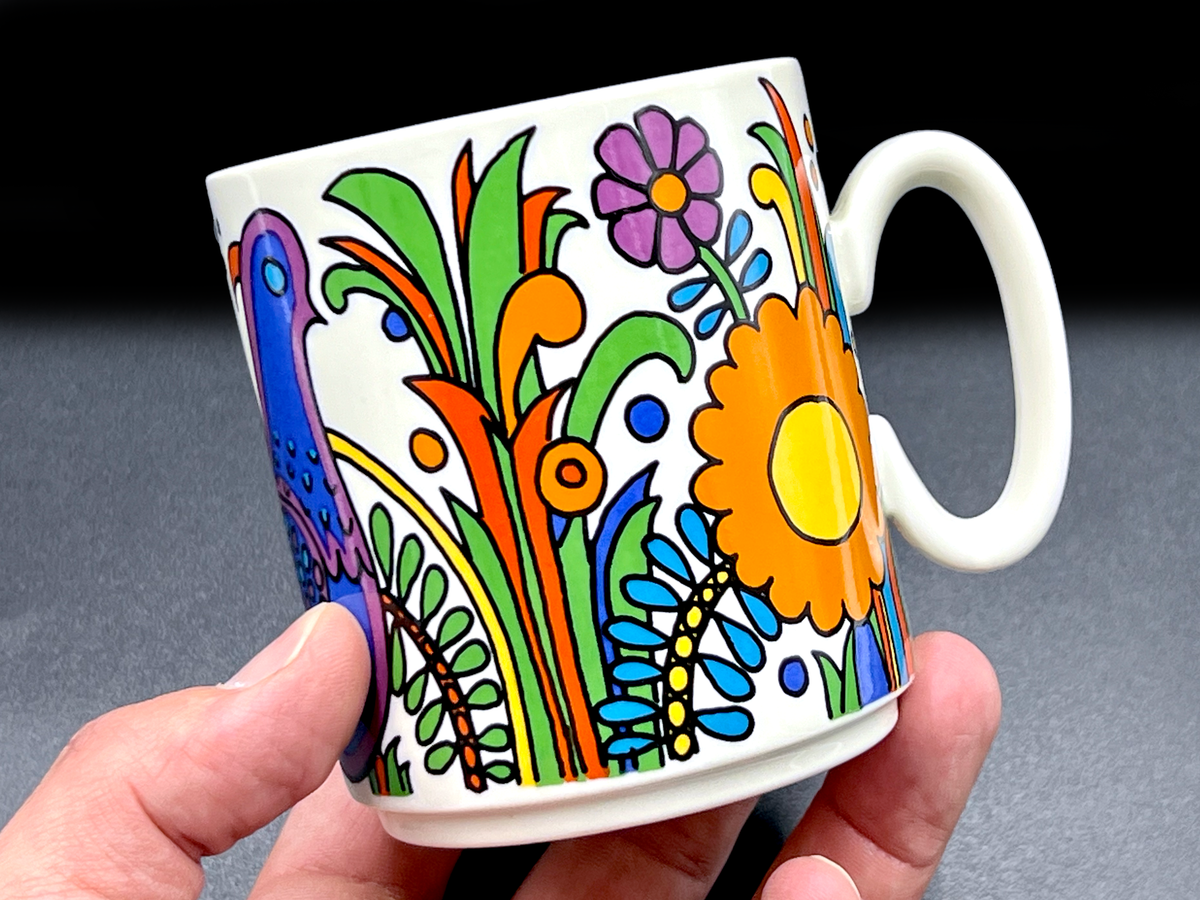
Villeroy & Boch (Luxemburgo) Modelo 'Acapulco' n.º 420, taza de café [se vende por separado]
- Precio habitual
- $85.00 AUD
- Precio de venta
- $85.00 AUD
- Precio habitual
-
-
Villeroy & Boch (Luxemburgo) Modelo 'Acapulco' n.º 242/1, plato para ensalada de 8" - Versión con estampado completo [Se vende por separado] *HALLAZGO RARO*


Villeroy & Boch (Luxemburgo) Modelo 'Acapulco' n.º 242/1, plato para ensalada de 8" - Versión con estampado completo [Se vende por separado] *HALLAZGO RARO*
- Precio habitual
- $90.00 AUD
- Precio de venta
- $90.00 AUD
- Precio habitual
-
-
Villeroy & Boch (Luxemburgo) Modelo 'Acapulco' n.º 265/1, Taza y platillo grandes [Se venden por separado]


Villeroy & Boch (Luxemburgo) Modelo 'Acapulco' n.º 265/1, Taza y platillo grandes [Se venden por separado]
- Precio habitual
- $85.00 AUD
- Precio de venta
- $85.00 AUD
- Precio habitual
-
-
Villeroy & Boch (Luxemburgo) Modelo 'Acapulco' n.º 254/1, ensaladera de 8"


Villeroy & Boch (Luxemburgo) Modelo 'Acapulco' n.º 254/1, ensaladera de 8"
- Precio habitual
- $195.00 AUD
- Precio de venta
- $195.00 AUD
- Precio habitual
-


